


Understanding Developmentally Appropriate Practices in Preschool: Unlocking Preschool Education Benefits

When I first learned about the magic of early childhood education, I was amazed by how much those early years shape a child’s future. Preschool is not just a place for kids to play; it’s a nurturing environment where young minds blossom. One of the most important concepts that guide this nurturing process is developmentally appropriate practice in preschool. This approach ensures that every child receives the right kind of support, tailored to their unique stage of growth.
In this post, I want to gently walk you through what developmentally appropriate practices mean, why they matter, and how they create a warm, encouraging space for children to thrive. If you’re looking for ways to support your little one’s early learning journey, this guide will offer clear, practical insights.
The Heart of Preschool Education Benefits: Why Early Learning Matters
Preschool education benefits go far beyond just preparing children for kindergarten. It’s about building a strong foundation for lifelong learning, social skills, and emotional well-being. When children attend a preschool that embraces developmentally appropriate practices, they experience learning that feels natural and joyful.
Here’s why these benefits are so important:
Cognitive Growth: Children develop critical thinking and problem-solving skills through hands-on activities.
Social Skills: They learn to share, cooperate, and communicate with peers in a supportive setting.
Emotional Development: Preschool helps children understand their feelings and build confidence.
Physical Development: Fine and gross motor skills improve through play and movement.
Language Skills: Rich conversations and storytelling enhance vocabulary and communication.
By focusing on these areas, preschool becomes a place where children feel safe to explore and express themselves. This nurturing environment encourages curiosity and a love for learning that lasts a lifetime.

What Does DAP Look Like in a Preschool Classroom?
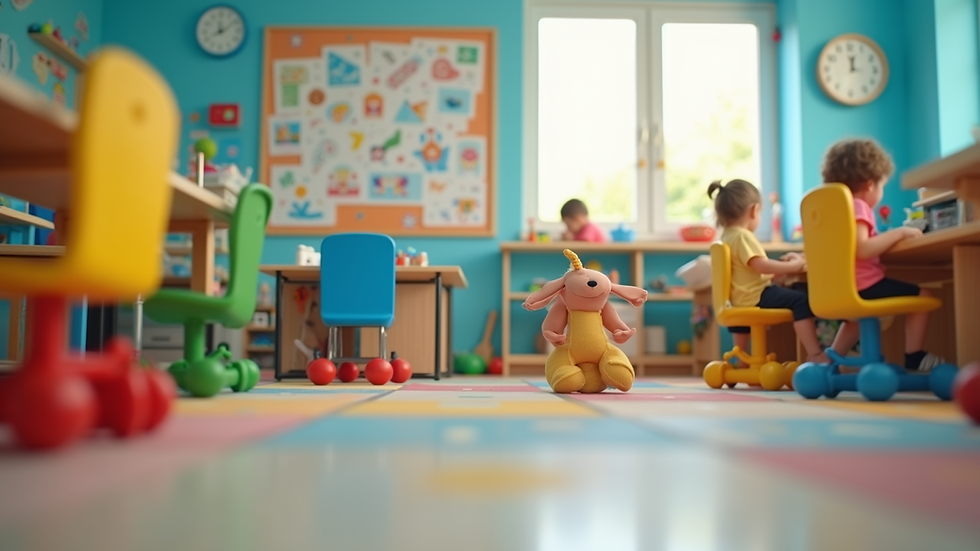
When I step into a preschool that follows developmentally appropriate practices, I notice a few key things right away. The classroom feels inviting and thoughtfully arranged to meet the needs of young learners. Here’s what you might see:
Child-Centered Activities: Activities are designed to match children’s interests and developmental stages. For example, toddlers might explore sensory bins, while older preschoolers engage in simple science experiments.
Flexible Schedules: The day includes a balance of active play, quiet time, group activities, and individual exploration. This rhythm respects children’s natural attention spans and energy levels.
Encouraging Independence: Children are given opportunities to make choices, such as selecting books or deciding which art project to work on. This fosters confidence and decision-making skills.
Supportive Teachers: Educators observe each child closely and adapt their teaching to support individual growth. They use positive language and gentle guidance to encourage learning.
Safe and Stimulating Environment: Materials are accessible and safe, inviting children to explore freely. The space is bright, colorful, and filled with age-appropriate toys and books.
This approach creates a warm, inclusive atmosphere where every child feels valued and understood. It’s a place where learning happens naturally through play and meaningful interactions.
How Developmentally Appropriate Practices Support Emotional and Social Growth
One of the most beautiful aspects of developmentally appropriate practice in preschool is how it nurtures emotional and social development. Young children are just beginning to understand their feelings and how to relate to others. A preschool that embraces these practices helps children build strong emotional foundations.
Here’s how:
Modeling Empathy: Teachers show kindness and patience, teaching children to do the same with their friends.
Encouraging Expression: Children are given words and tools to express their feelings, whether through talking, drawing, or role-playing.
Conflict Resolution: Instead of punishing, educators guide children to solve disagreements peacefully, helping them develop problem-solving skills.
Group Activities: Sharing and teamwork are encouraged through games and projects, fostering cooperation and respect.
Celebrating Diversity: Children learn to appreciate differences and build inclusive friendships.
By focusing on these areas, preschool becomes a safe space where children feel understood and supported. This emotional security is essential for confident learning and healthy relationships.
Practical Tips for Parents: Supporting Your Child’s Early Learning Journey
As a parent, you play a vital role in reinforcing the benefits of developmentally appropriate practices at home. Here are some gentle, practical ways to support your child’s growth:
Follow Your Child’s Lead
Pay attention to what interests your child and encourage exploration. If they love building blocks, provide different shapes and sizes to spark creativity.
Create a Routine with Flexibility
Children thrive with predictable routines but also need room to rest or play freely. Balance structure with moments of spontaneous fun.
Read Together Daily
Reading aloud builds language skills and strengthens your bond. Choose books that match your child’s age and interests.
Encourage Play
Play is the language of childhood. Provide toys and materials that inspire imagination and problem-solving.
Use Positive Language
Celebrate efforts and progress, no matter how small. Words of encouragement build confidence and motivation.
Connect with Educators
Stay in touch with your child’s teachers to understand their progress and how you can support learning at home.
By embracing these tips, you create a nurturing environment that complements the wonderful work happening in preschool.

Embracing a Bright Future Through Thoughtful Early Education
Choosing the right preschool is one of the most important decisions you can make for your child’s future. When a preschool embraces developmentally appropriate practices, it offers a warm, supportive space where children can grow at their own pace. This approach respects each child’s individuality and encourages a lifelong love of learning.
At Kinderworld Academy, the focus is on empowering children to reach their full potential. By combining nurturing care with thoughtful educational practices, we help build a strong foundation for every child’s journey ahead.
Remember, early childhood is a precious time filled with wonder and discovery. When we provide the right support, children flourish emotionally, socially, and intellectually. Together, we can create a joyful learning experience that sets the stage for success in school and beyond.
If you want to learn more about how developmentally appropriate practice in preschool can benefit your child, I encourage you to explore trusted resources and connect with educators who share this vision. Your child’s bright future starts with the loving, thoughtful choices you make today.


Comments