


Qualities of Great Early Educators: Nurturing Young Minds with Heart

When I think about what makes an early childhood educator truly outstanding, I picture someone who goes beyond teaching. They inspire, nurture, and create a safe space where little ones can explore and grow. These educators are the gentle guides who help children build the foundation for lifelong learning. Their impact is profound, shaping not only academic skills but also social and emotional development. In this post, I want to share the essential qualities that make great early educators stand out and why these qualities matter so much for young children’s futures.
The Heart of Great Early Educators: Compassion and Patience
One of the first things that come to mind when I think about great early educators is their deep compassion. They understand that every child is unique, with their own pace and personality. This compassion allows them to connect with children on a personal level, making each child feel valued and understood.
Patience is equally important. Young children are learning about the world, and sometimes that means repeated questions, testing boundaries, or moments of frustration. A great educator remains calm and patient, offering gentle encouragement instead of frustration. This patience helps children feel safe and supported, which is essential for their confidence and willingness to try new things.
For example, when a child struggles to tie their shoes or share a toy, a patient educator will guide them step-by-step, celebrating small victories along the way. This approach builds resilience and a positive attitude toward learning.

What Makes Great Early Educators Effective? Skills and Creativity
Great early educators are not only warm and patient but also skilled and creative. They know how to design activities that engage children’s curiosity and encourage exploration. Creativity in lesson planning means using everyday materials in new ways, turning simple moments into exciting learning opportunities.
For instance, a great educator might use colorful blocks to teach counting or storytelling to develop language skills. They adapt their teaching style to meet the needs of each child, whether that means more hands-on activities or quiet time for reflection.
Communication skills are also vital. These educators communicate clearly with children, parents, and colleagues. They listen actively and respond thoughtfully, creating a strong partnership with families. This collaboration ensures that children receive consistent support both at school and at home.
If you want to learn more about the qualities of a good early childhood educator, you’ll find helpful insights that highlight the importance of these skills and more.

What are the 3 R's in Early Childhood Education?
The 3 R's in early childhood education stand for Respect, Responsibility, and Relationships. These core values guide great educators in creating a nurturing environment where children thrive.
Respect means honoring each child’s individuality and encouraging them to respect others. This helps build a community where everyone feels safe and valued.
Responsibility teaches children to take care of themselves, their belongings, and their environment. Early educators model this by encouraging children to clean up after activities and make thoughtful choices.
Relationships are the foundation of learning. Strong, trusting relationships between educators and children foster emotional security and social skills.
By focusing on these 3 R's, great early educators help children develop essential life skills that go far beyond academics. They create a warm, inclusive space where children learn to be kind, confident, and curious.
Building a Strong Foundation: Consistency and Structure
Children flourish when they know what to expect. Great early educators provide consistent routines and clear structure, which help children feel secure and focused. This doesn’t mean rigid schedules but rather a balanced rhythm that includes time for play, learning, rest, and social interaction.
Consistency also means setting clear, positive expectations. When children understand the rules and the reasons behind them, they are more likely to follow them. Great educators use positive reinforcement to encourage good behavior and gently guide children when they need help making better choices.
For example, a daily circle time where children share their thoughts and listen to others builds both routine and social skills. This structure supports children’s emotional well-being and prepares them for future school experiences.
Lifelong Learners: Passion and Commitment to Growth
The best early educators are passionate about their work and committed to continuous learning. They stay curious about new teaching methods, child development research, and ways to improve their practice. This passion is contagious and inspires children to love learning too.
They also reflect on their own experiences and seek feedback to grow professionally. This commitment ensures that they provide the highest quality care and education possible.
For parents seeking quality childcare, knowing that an educator is dedicated to growth offers reassurance. It means your child is in the hands of someone who truly cares and strives to be the best guide for their early years.
Creating a Warm and Welcoming Environment
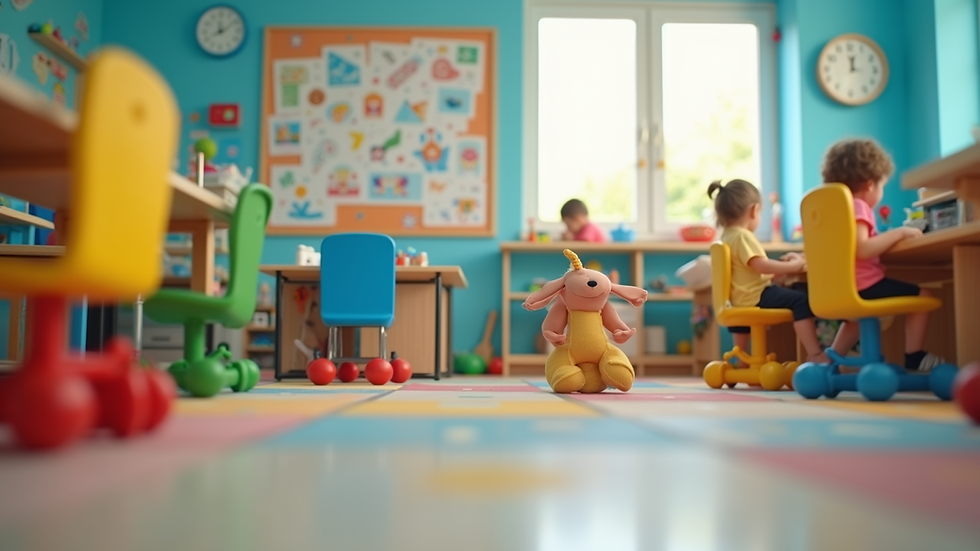
Finally, great early educators create a warm, welcoming environment that feels like a second home. They pay attention to the physical space, making it inviting, safe, and full of opportunities for discovery. Soft lighting, colorful decorations, and accessible materials all contribute to a space where children feel comfortable and eager to explore.
This nurturing atmosphere supports children’s emotional health and encourages them to express themselves freely. When children feel loved and accepted, they develop the confidence to take risks and try new things.
Choosing the right early childhood educator is one of the most important decisions for a child’s future. The qualities of great early educators - compassion, creativity, patience, consistency, and passion - come together to create a powerful foundation for every child’s growth. When educators embody these qualities, they empower children to reach their full potential and build a lifelong love of learning.
If you are looking for a childcare program that embraces these values and offers a nurturing, comprehensive experience, consider the difference that great early educators can make. Your child deserves the best start, and with the right guidance, their journey will be filled with joy, discovery, and endless possibilities.


Comments